Table of Contents
Introduction
Syracuse, New York, known for its heavy snow and freezing temperatures, poses unique challenges for homeowners, particularly when it comes to roof longevity and stability. As a crucial defense against extreme weather, roofing materials must be chosen carefully. This article delves into essential tips for ensuring extreme cold durability during the shingle replacement process, particularly in the Syracuse Snowbelt region. Implementing these strategies can help safeguard homes against the severe winter elements that characterize this area.
Selecting the Right Shingle Materials
The first step in ensuring durability against extreme cold is selecting high-quality roofing materials designed to withstand freezing conditions. Asphalt shingles, for example, are commonly used, but not all are created equal. Opting for shingles with a high wind rating and reinforced edges can provide additional stability. Additionally, choosing products that are specifically designed for colder climates can prevent issues such as cracking or brittleness caused by low temperatures. Manufacturers often offer shingles that are tested for extreme cold endurance, making these a reliable choice for homeowners in snowy regions.
Proper Installation Techniques
Even the best shingle materials can fail if not installed correctly. During the shingle replacement process, it is vital to adhere to proper installation techniques to ensure longevity and performance. Begin with inspections of the roof deck and structure to ensure there is no existing rot or damage. Installing shingles in temperatures below freezing can complicate issues further; thus, it’s advisable to schedule replacement in optimal weather conditions whenever possible. Moreover, applying an ice and water shield along eaves and in valleys can provide an additional layer of protection against ice dam formation and ensure that water won’t infiltrate into the roof structure.
Maintaining Roof Ventilation
Good airflow is critical to roofing performance, especially in contexts where snow accumulation and moisture are prevalent. Inadequate ventilation can lead to heat buildup in the attic, causing snow on the roof to melt, only to refreeze as ice once temperatures drop. This freeze-thaw cycle can lead to ice dams that jeopardize the integrity of the shingles. Homeowners should routinely check their roof ventilation systems and ensure they are functioning correctly. Installing ridge vents and soffit vents can help maintain an even temperature across the roof and minimize the risk of ice dam formation.
Regular Roof Inspections
Routine inspections of the roof, especially following significant snowfall or storms, are essential to catch potential problems early. Look for signs of damage such as missing shingles, sagging areas, or leaks. Performing these checks proactively, at least twice a year, can aid in identifying weak points before they develop into serious issues. Moreover, investing in professional inspections can provide peace of mind and ensure that the roof is equipped to handle cold-weather challenges effectively.
Conclusion
In summary, replacing shingles in the Syracuse Snowbelt requires a careful approach that emphasizes extreme cold durability. By selecting the right materials, ensuring proper installation practices, maintaining ventilation, and conducting regular inspections, homeowners can significantly enhance the resilience of their roofing systems. Implementing these tips will not only extend the lifespan of the shingles but also provide invaluable protection against the harsh winter elements typical of the region. Ultimately, a well-prepared roof contributes to the safety and comfort of the home during the coldest months of the year.
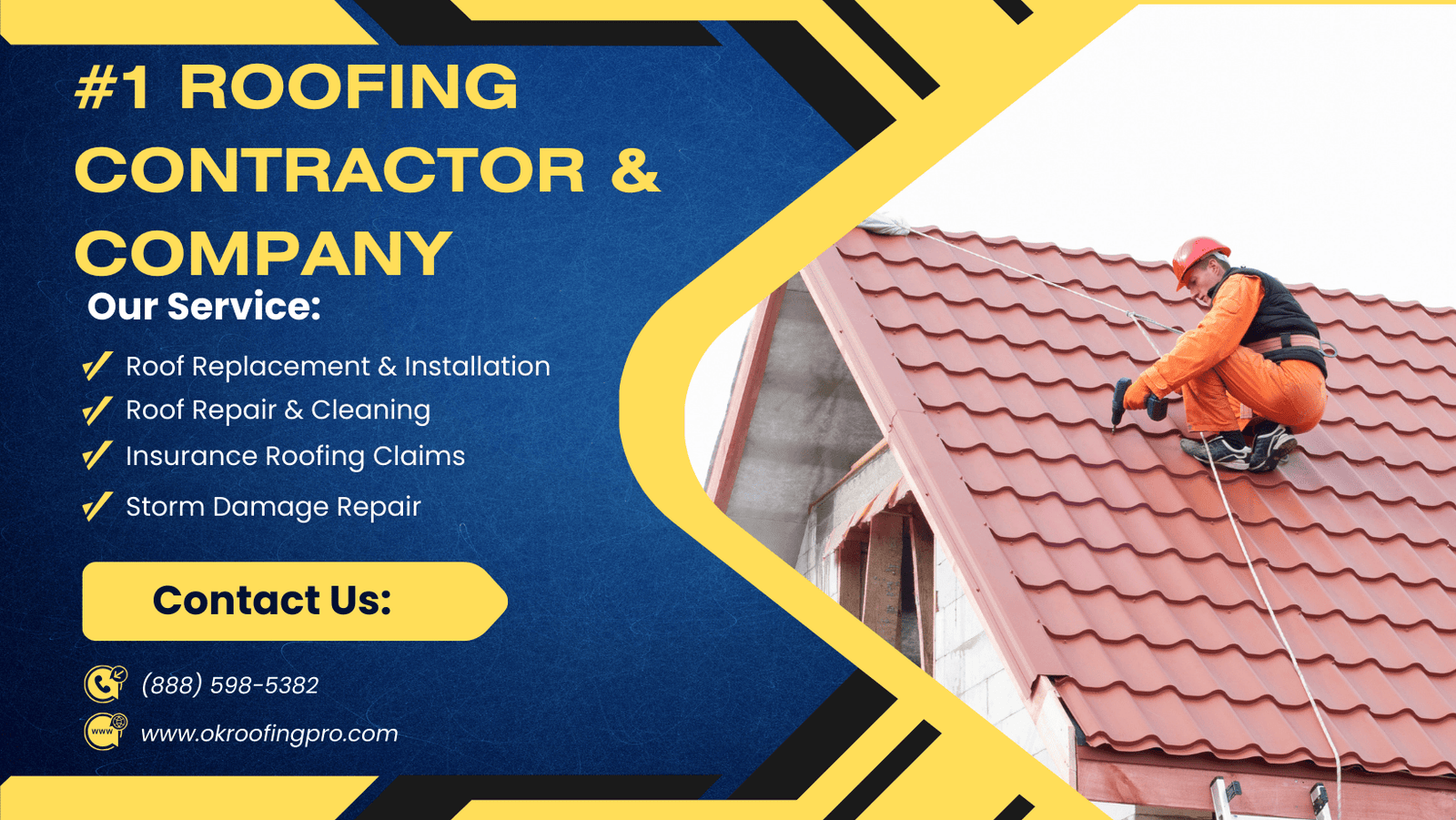
Ready to restore your roof’s protection? Dial (888) 598-5382 now for expert guidance. Prepare your ZIP code beforehand to connect with our closest service professionals efficiently.
Last Updated on January 1, 2026 by OKroofingPro