Table of Contents
Introduction
Storms can cause significant damage to homes and buildings, leading to urgent repair needs. However, storm damage repair can be dangerous if proper safety measures are not taken. A systematic approach to ensuring safety during the repair process is essential. This article outlines an essential checklist that will help keep both workers and homeowners safe during storm damage repair.
Assess the Damage Carefully
The first step in any storm damage repair is to conduct a thorough assessment. Before starting any repairs, it’s crucial to determine the extent of the damage. This involves checking the structural integrity of the building, inspecting the roof, siding, and windows, and identifying risks such as downed power lines or unstable debris. By carefully evaluating the situation, workers can prioritize safety and plan their actions accordingly.
Gather Necessary Personal Protective Equipment
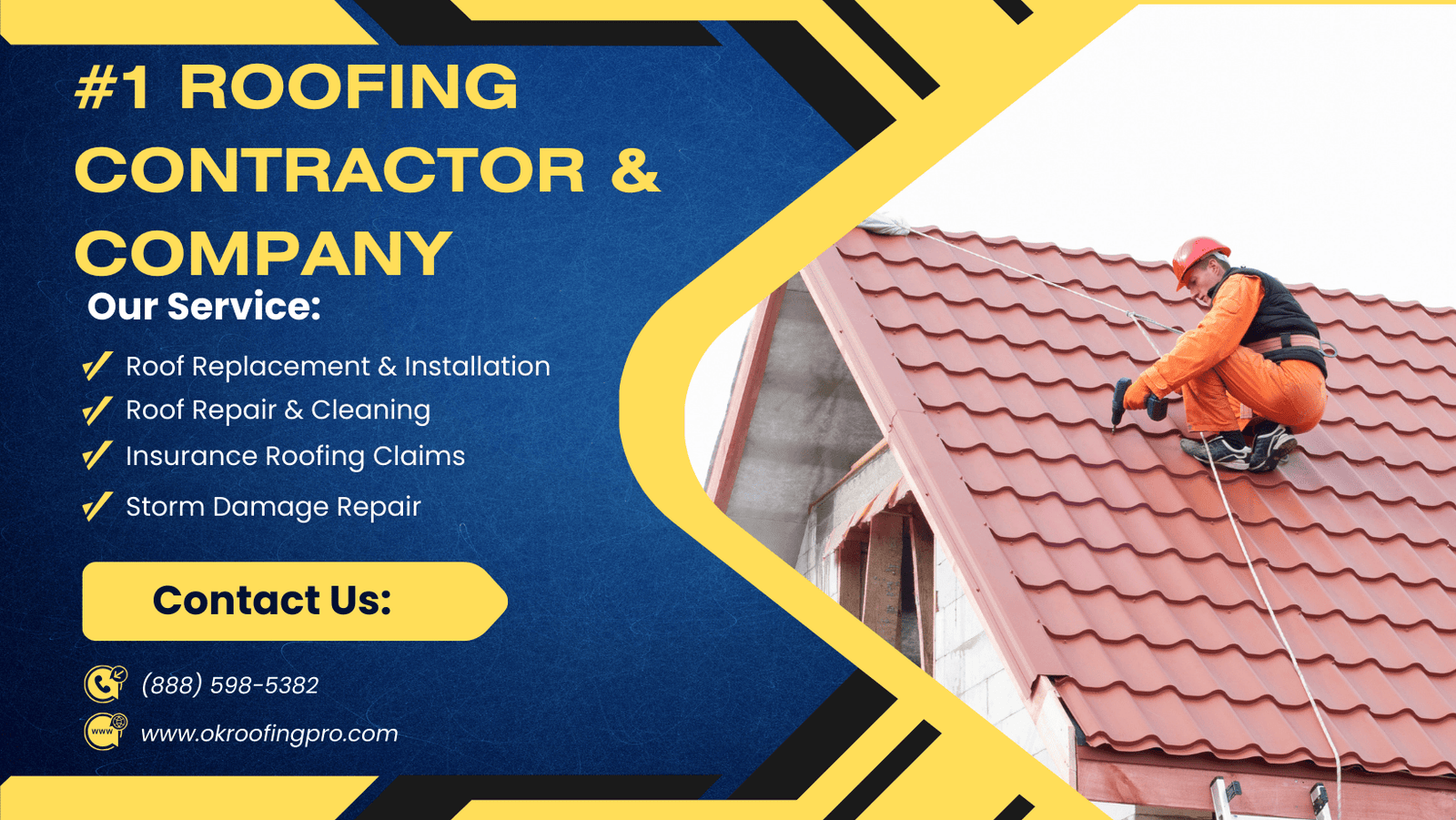
Personal protective equipment (PPE) is essential for anyone involved in storm damage repair. Workers should wear sturdy boots, gloves, and helmets to protect against falling debris and sharp objects. Additionally, goggles can shield the eyes from flying particles, and dust masks can aid in breathing during cleanup. Having the right PPE not only reduces risk but also enhances the ability to work efficiently in hazardous conditions.
Ensure Safe Use of Tools and Equipment
Using tools and equipment improperly can lead to accidents and injuries. Therefore, it’s vital to ensure that all tools are in good working condition and appropriate for the task at hand. For instance, power tools should be inspected for frayed wires or malfunctioning parts, and extension cords should be rated for outdoor use if working outside. Moreover, workers should be trained in how to use tools safely, enabling them to perform repairs effectively without compromising safety.
Establish a Safe Work Area
Creating a clearly defined work area is another essential safety measure. This involves marking boundaries to keep unauthorized individuals away from the repair site. Appropriate barriers or cones can be used to indicate potential hazards. Furthermore, ensuring that the area is well-lit will improve visibility, allowing workers to see risks easily. Keeping the workspace organized will also reduce the chances of accidents and injuries.
Communicate Effectively
Effective communication among team members is crucial during storm damage repair. Establishing a clear chain of command helps ensure that everyone knows their roles and responsibilities. Conducting regular safety briefings can help identify challenges, clarify safety protocols, and remind everyone to stay alert. Continuous communication fosters a shared awareness of safety, which is invaluable during hazardous tasks.
Monitor Weather Conditions
Weather conditions can change rapidly after a storm, which can pose additional risks during repairs. It is essential to monitor the forecast and be prepared for inclement weather. If conditions become unsafe, workers should have a plan in place to evacuate the site promptly. Staying informed about potential weather changes helps reduce the likelihood of working in hazardous situations.
Conclusion
Safety should always be the top priority during storm damage repair. By following this essential checklist—carefully assessing damage, using appropriate PPE, ensuring tool safety, establishing a safe work area, communicating effectively, and monitoring weather conditions—both workers and homeowners can significantly reduce risks associated with the repair process. Adopting these safety measures not only protects lives but also paves the way for a more efficient and effective repair operation.
Ready to restore your roof’s protection? Dial (888) 598-5382 now for expert guidance. Prepare your ZIP code beforehand to connect with our closest service professionals efficiently.
Last Updated on December 8, 2025 by OKroofingPro