Table of Contents
Introduction
New York City, a bustling metropolis known for its iconic skyline, faces numerous challenges when it comes to maintaining its high-rise buildings. Among these challenges, roof inspections stand out as a critical yet often overlooked aspect of building maintenance. The complexity of urban infrastructure, coupled with the unique environmental factors inherent to New York City, creates a unique set of difficulties for roof inspection projects. This article delves into the various urban challenges associated with conducting roof inspections on high-rise buildings in NYC, focusing on regulatory, logistical, and safety considerations.
Regulatory Challenges
One of the foremost challenges in high-rise roof inspection projects in New York City is navigating the myriad of regulations and building codes. The Department of Buildings (DOB) enforces strict guidelines for high-rise structures to ensure safety and compliance. Inspectors must not only understand these regulations but also stay updated on any changes that may impact their work. Compliance can be especially challenging for older buildings that may not have been built to meet current standards. Furthermore, the need for periodic inspections, such as those required by Local Law 11, necessitates a deep understanding and adherence to these regulations, impeding the efficiency of inspection projects.
Logistical Considerations
Logistics play a crucial role in the efficiency of roof inspection projects. High-rise buildings often occupy crowded plots with limited ground space, making access to rooftops difficult. Inspectors frequently need to coordinate with building management to schedule inspections, particularly in residential or commercial spaces where disruptions may impede normal operations. Additionally, transportation of equipment to upper floors, or even to the roof, can be cumbersome. Crane services or specialized lifting equipment may be required, adding both time and financial cost to projects. Urban congestion further complicates this by limiting the windows of operation for heavy machinery movement.
Environmental and Weather Factors
The environmental conditions prevalent in New York City present another layer of difficulty for high-rise roof inspections. The city’s changing weather patterns, including heavy rain, snow, and strong winds, can severely impact the scheduling and execution of inspections. Safety is paramount, as inspectors must avoid working on rooftops during inclement weather, creating potential delays. Moreover, the wear and tear on roofs exacerbated by urban pollution can lead to rapid deterioration that inspectors must assess, thereby adding urgency to timely roof evaluations.
Safety Concerns
Safety is a cornerstone of any roof inspection project, but it assumes an even greater significance in the context of high-rise buildings. Working at great heights comes with inherent dangers, including the risk of falls and equipment-related accidents. Inspectors must comply with Occupational Safety and Health Administration (OSHA) standards, which require proper protective gear and safety protocols. Additionally, the presence of various utility systems, HVAC units, and other rooftop structures can pose hazards that must be carefully navigated to ensure the safety of all personnel involved in roof inspections.
Conclusion
Urban challenges in NYC high-rise roof inspection projects are multifaceted, encompassing regulatory, logistical, environmental, and safety issues. Professionals in this field must contend with a dynamic regulatory landscape, complicated logistics, volatile weather conditions, and stringent safety requirements. While these challenges are significant, they are not insurmountable. With continuous advancements in technology, improved training protocols, and a commitment to best practices, the industry can adapt to these urban challenges, ultimately ensuring the safety and sustainability of New York City’s towering structures.
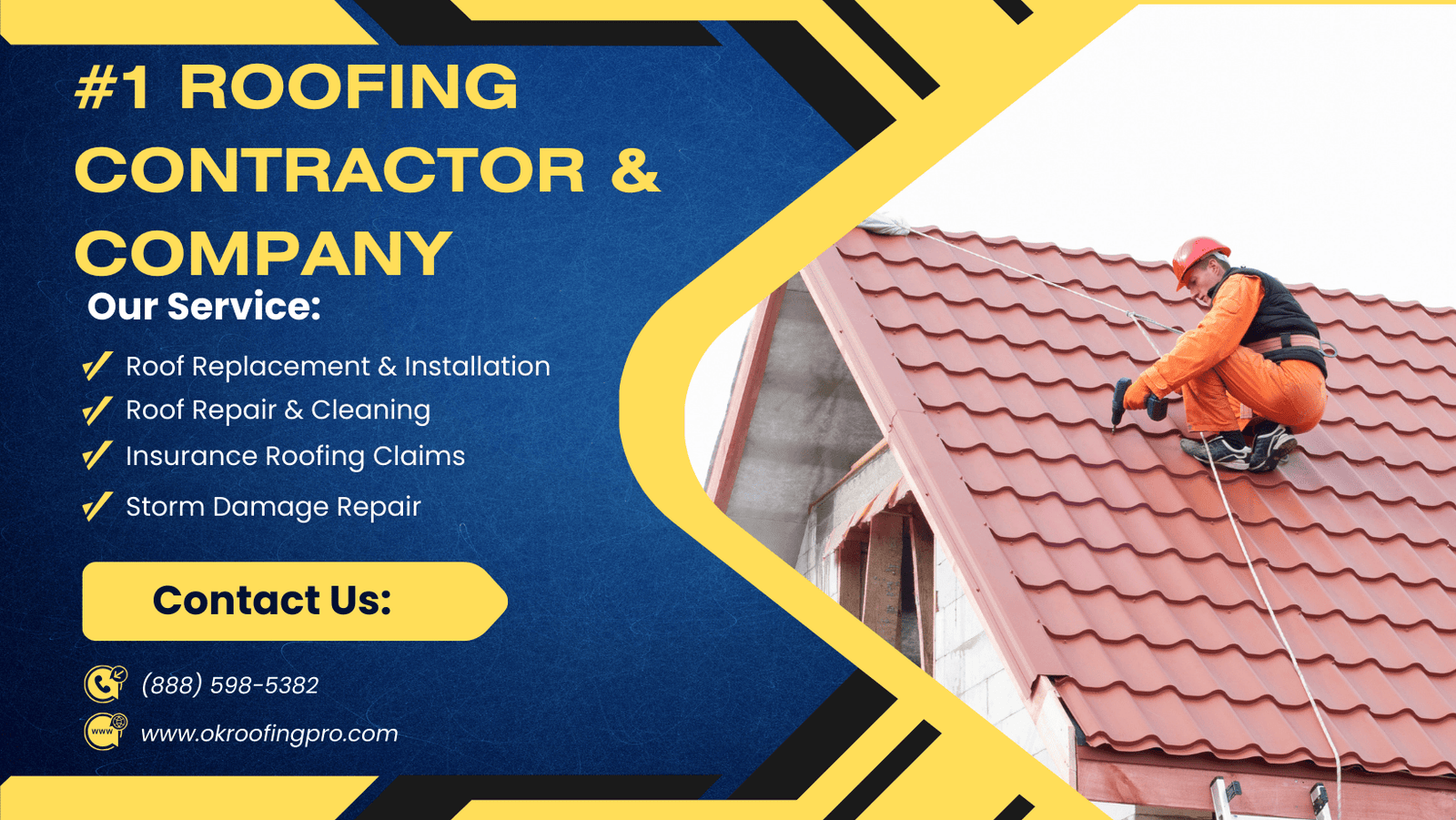
Ready to restore your roof’s protection? Dial (888) 598-5382 now for expert guidance. Prepare your ZIP code beforehand to connect with our closest service professionals efficiently.
Last Updated on February 6, 2026 by OKroofingPro