Table of Contents
Introduction
As a landlord, maintaining your rental property is vital to ensuring tenant satisfaction and maximizing your investment. One of the most critical aspects that often gets overlooked is the roof. A sound and well-installed roof not only protects the structure but also enhances the overall value of your property. This article delves into the essentials of rental property roof installation, helping landlords understand the importance of quality roofing and the steps involved in the process.
Why Roof Quality Matters
The roof is your property’s first line of defense against the elements. A well-maintained roof prevents water leaks, mold growth, and structural damage, which can lead to costly repairs and unhappy tenants. Additionally, properties with new or well-maintained roofs are often more attractive to prospective renters, making tenant turnover less of a headache for landlords. Therefore, investing in proper roof installation is key to establishing a reliable rental environment.
Choosing the Right Roofing Material
When it comes to roof installation, selecting the appropriate materials is crucial. Landlords should consider various roofing options, including asphalt shingles, metal roofing, and tiles, each offering its unique benefits and drawbacks. For instance, asphalt shingles are cost-effective and easy to install, while metal roofing boasts a longer lifespan and superior durability. It’s important to also consider the architectural style of your property and the local climate, as these factors can impact roofing material performance.
Hiring Professional Installers
Unless you have experience in roofing, it is generally advisable to hire licensed professionals for the installation process. Experienced contractors will not only ensure that the job is done correctly but will also be familiar with local building codes and regulations. A professional installer will conduct an initial inspection, provide recommendations, and offer a clear cost estimate. Additionally, hiring experts will reduce the risks of mistakes, which can lead to further issues down the line.
Understanding the Installation Process
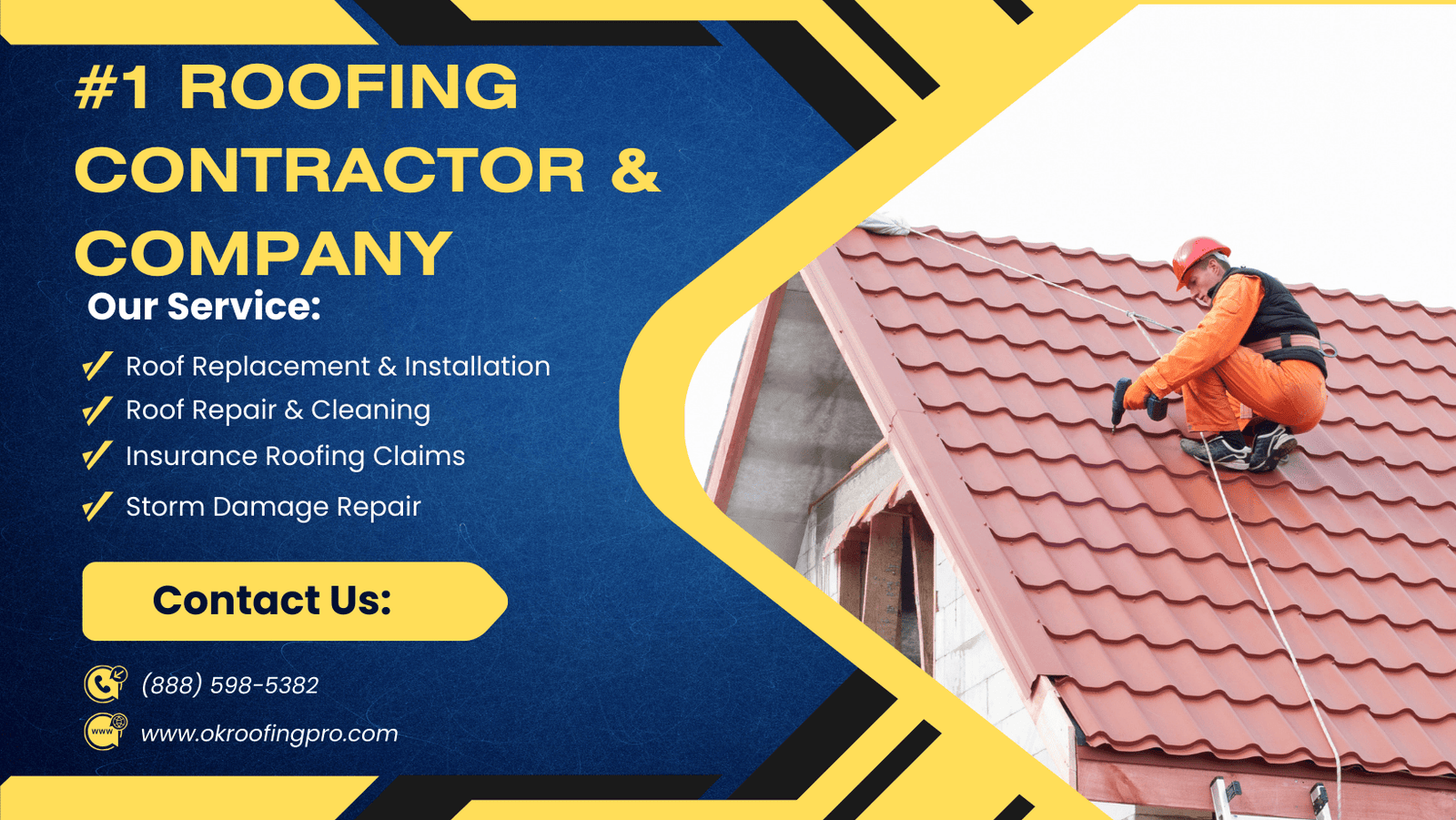
The roofing installation process typically begins with an inspection of the existing roof structure. Once the integrity is confirmed, the old roofing material is removed, and any necessary repairs to the underlying structure are made. This step is vital as it addresses hidden issues that could affect the new roof’s performance. Following this, the new roofing material is installed according to the manufacturer’s guidelines, ensuring a watertight seal and proper insulation. Lastly, a thorough inspection of the completed work ensures quality before the project is finalized.
Regular Maintenance and Inspections
Once the new roof has been installed, maintenance should not be overlooked. Landlords should schedule regular inspections at least twice a year, preferably in the spring and fall, to identify any damage or wear and tear early. Addressing minor issues immediately can prevent them from escalating into more severe problems, thereby extending the life of your roof and protecting your investment.
Conclusion
In conclusion, roof installation is a significant aspect of rental property management that should not be ignored. Landlords must prioritize roof quality, choose appropriate materials, hire skilled professionals, and engage in regular maintenance. By taking these essential steps, landlords can safeguard their property, ensure tenant satisfaction, and ultimately maximize their investment. With a well-installed roof over their heads, tenants can enjoy a safe and comfortable living environment, and landlords can enjoy peace of mind knowing their investment is protected.
Ready to restore your roof’s protection? Dial (888) 598-5382 now for expert guidance. Prepare your ZIP code beforehand to connect with our closest service professionals efficiently.
Last Updated on February 24, 2026 by OKroofingPro